LOGLINE


An American intelligence officer is sent into war-torn Mongolia to assess a ruthless warlord, only to find himself drawn into a battle between empire, belief, and revolution that will shape the future of Asia.
SHORT PITCH


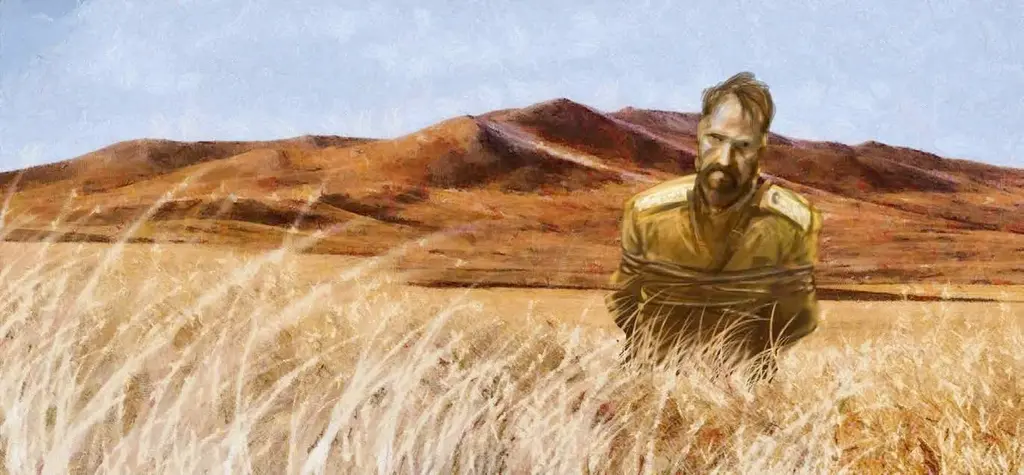
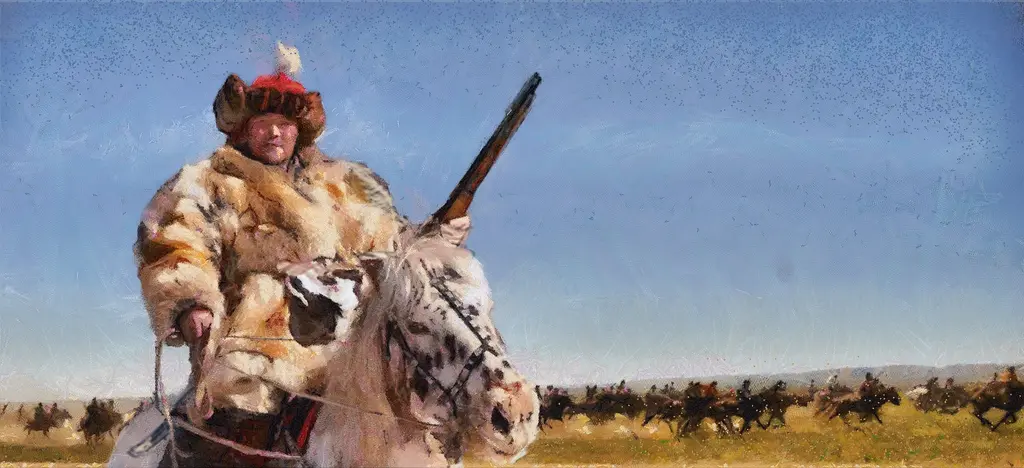
Empire of the Wind is a character-driven historical epic set in the aftermath of World War I, where collapsing empires and rising ideologies collide on the Mongolian steppe.


Through the eyes of an American officer, the film explores power, faith, and the cost of choosing sides in a world where nothing remains neutral. Visually striking and thematically rich, it combines the scale of an epic with the intimacy of a psychological drama.
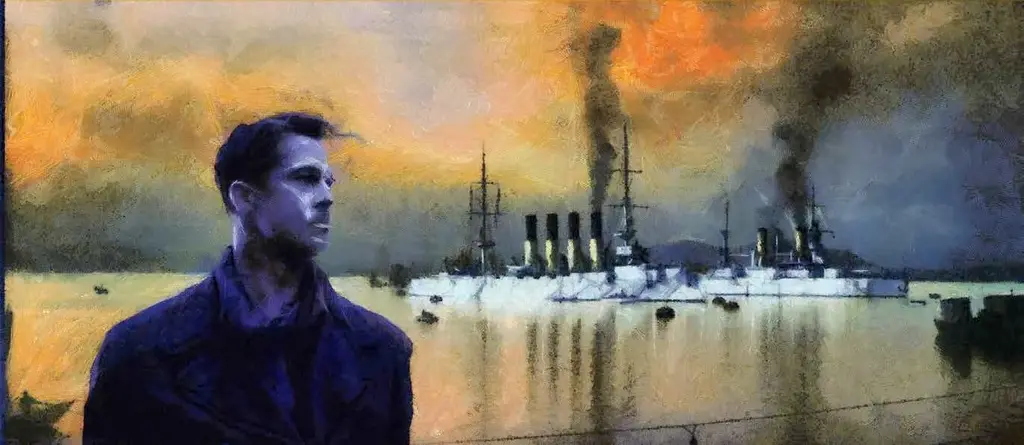
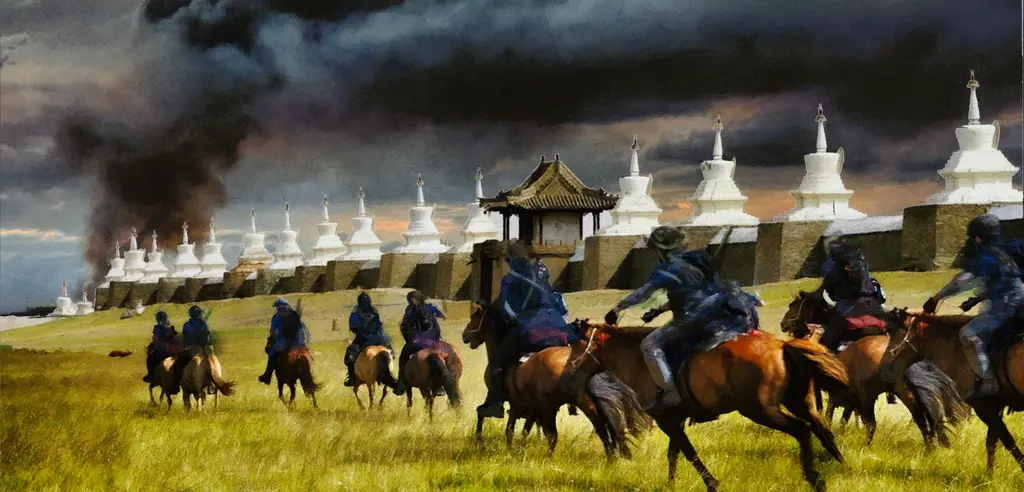
Mongolia & Siberia  ·  1921

"In the dying embers of empire, one man's faith becomes a weapon, another's loyalty becomes a cage — and a woman's silence holds the only truth left standing."

FULL SYNOPSIS

A lone American operative is sent into a collapsing frontier where warlords, empires, and ideologies collide.

What he finds in Baron Ungern is not just a man—but a force that could reshape the fate of nations.

In 1921 Shanghai, American intelligence officer Mark Crawford is dispatched into the chaos of Siberia and Mongolia to determine whether the United States should support a mysterious and feared warlord: Baron Roman von Ungern-Sternberg.

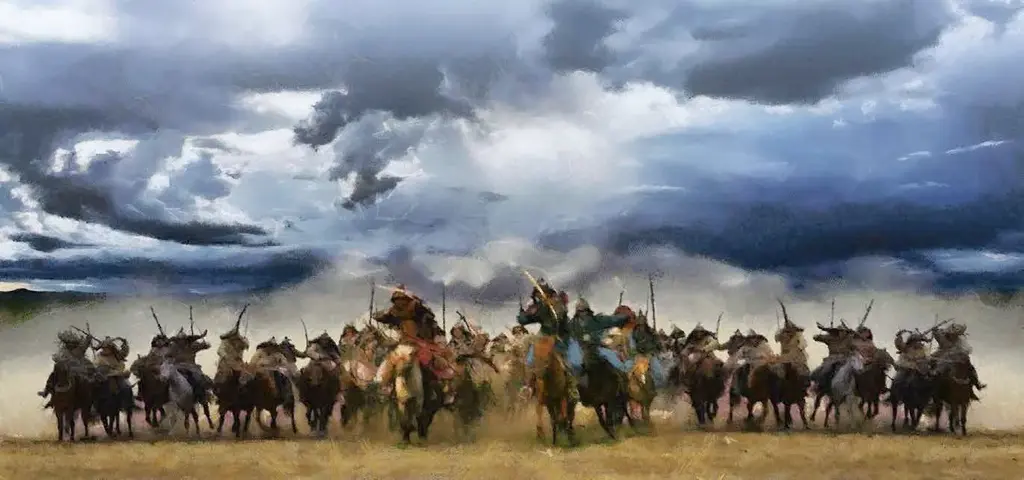
Ungern commands a brutal, multi-ethnic cavalry force and seeks to restore the Mongolian monarchy under the Bogd Khan. To some, he is a savior. To others, a madman. To Crawford, he is a question that must be answered before global consequences unfold.

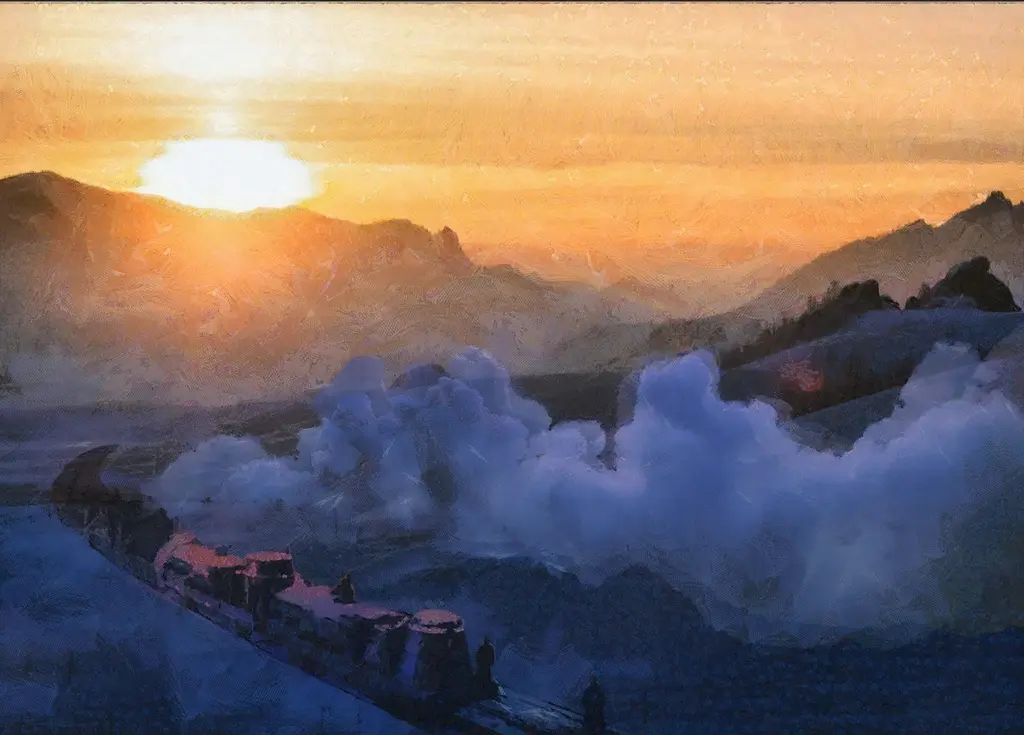
As Crawford journeys across frozen railways, war-torn settlements, and vast steppe landscapes, he witnesses the collapse of order and the rise of competing powers: Chinese occupation forces, Bolshevik revolutionaries, and remnants of the White Russian armies. Each claims legitimacy. None offers stability.

Embedded within Ungern’s camp, Crawford gains rare access to the Baron’s inner circle. He observes a leader driven by mysticism, violence, and an unshakable belief in destiny. Ungern does not merely wage war—he reshapes reality through fear and faith.

Along the way, Crawford forms a connection with Nadia, a telegraph operator whose personal losses mirror the destruction around them. Through her, the human cost of ideology becomes unavoidable.

As Ungern prepares to retake the Mongolian capital of Urga, Crawford faces an impossible choice: support a man who may stabilize the region—or ignite something far worse. The assault on Urga becomes a turning point. What begins as strategy descends into chaos and brutality. Crawford is no longer an observer. He is complicit.

In the end, Empire of the Wind is not about who wins—but about what survives when belief becomes power, and whether any empire can control the forces it unleashes.

MAIN CHARACTERS

Casting Overview

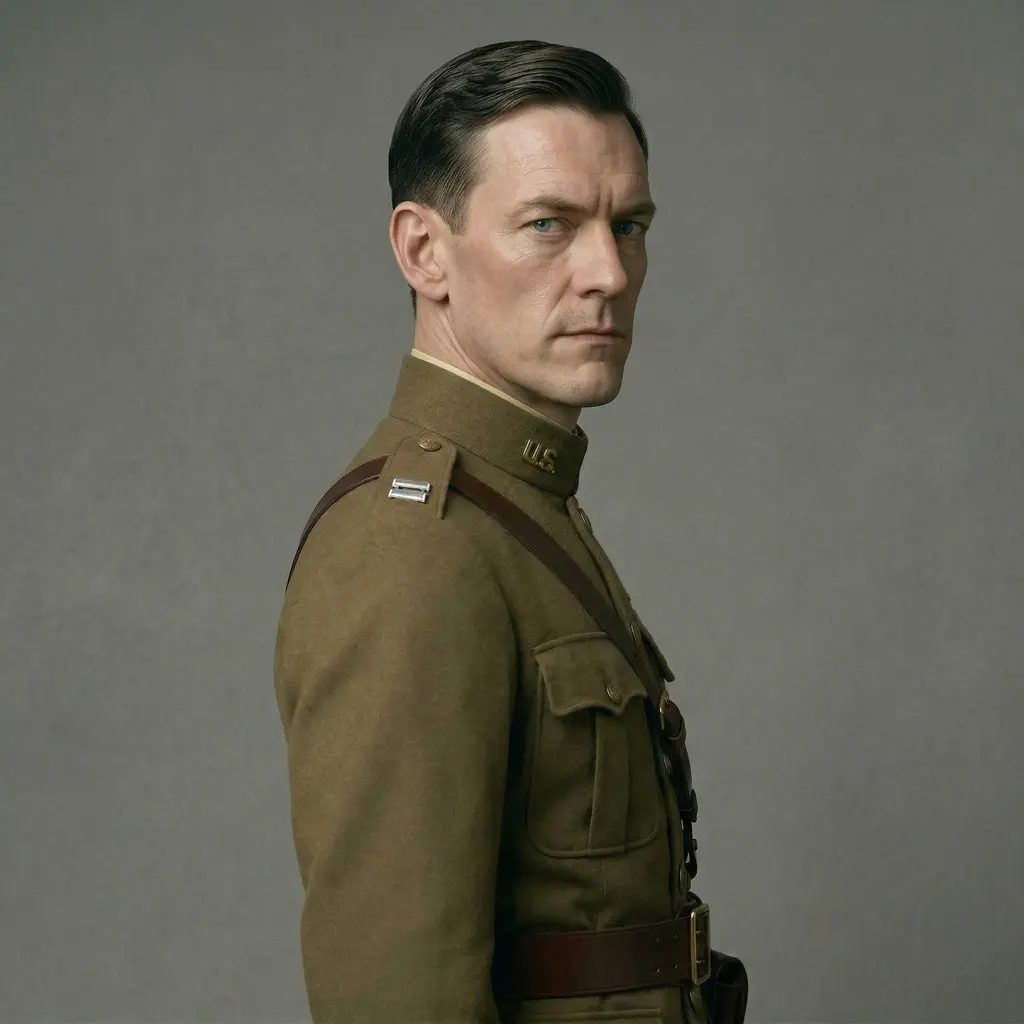
MARK CRAWFORD

(30s, American)

An intelligent and disciplined U.S. officer, trained to observe rather than act. He begins as a rational analyst but is gradually drawn into moral ambiguity as he witnesses the realities of power. His journey is one of quiet transformation—from detachment to complicity.

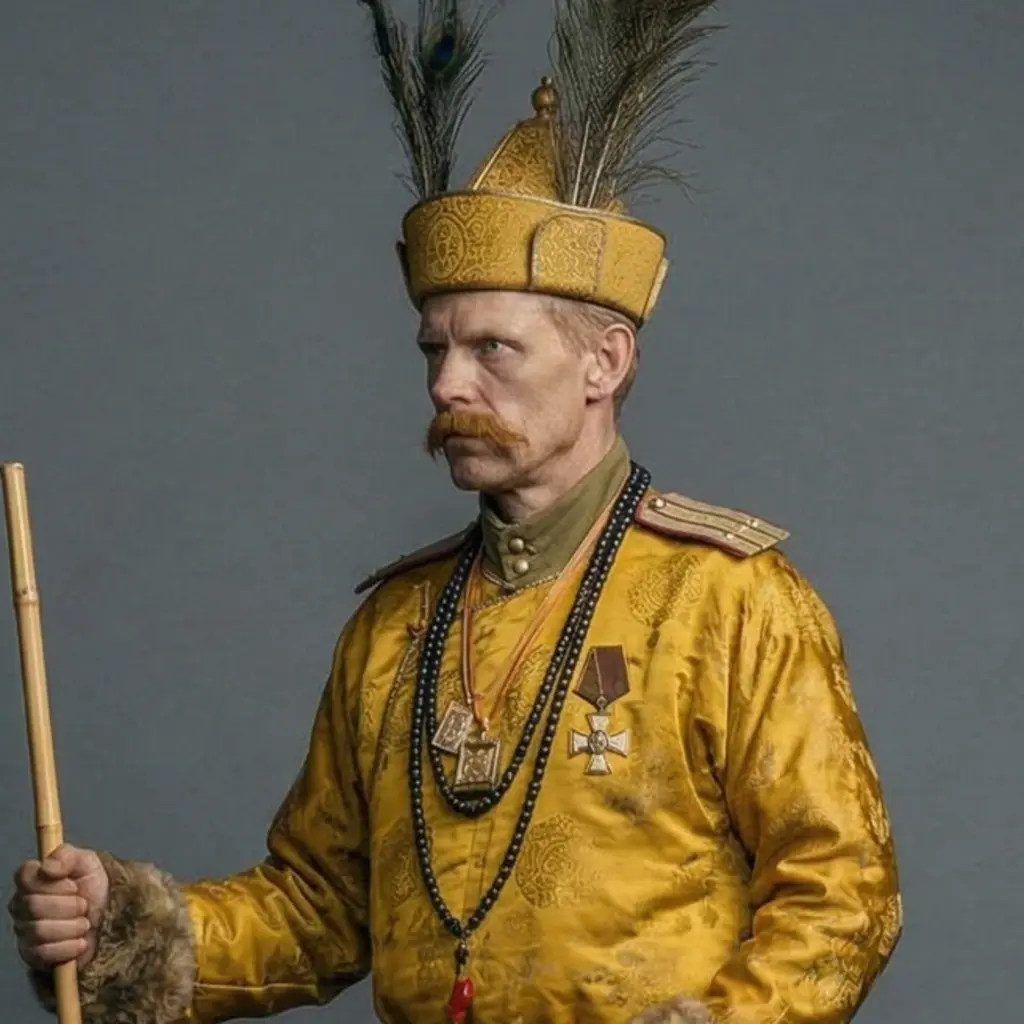
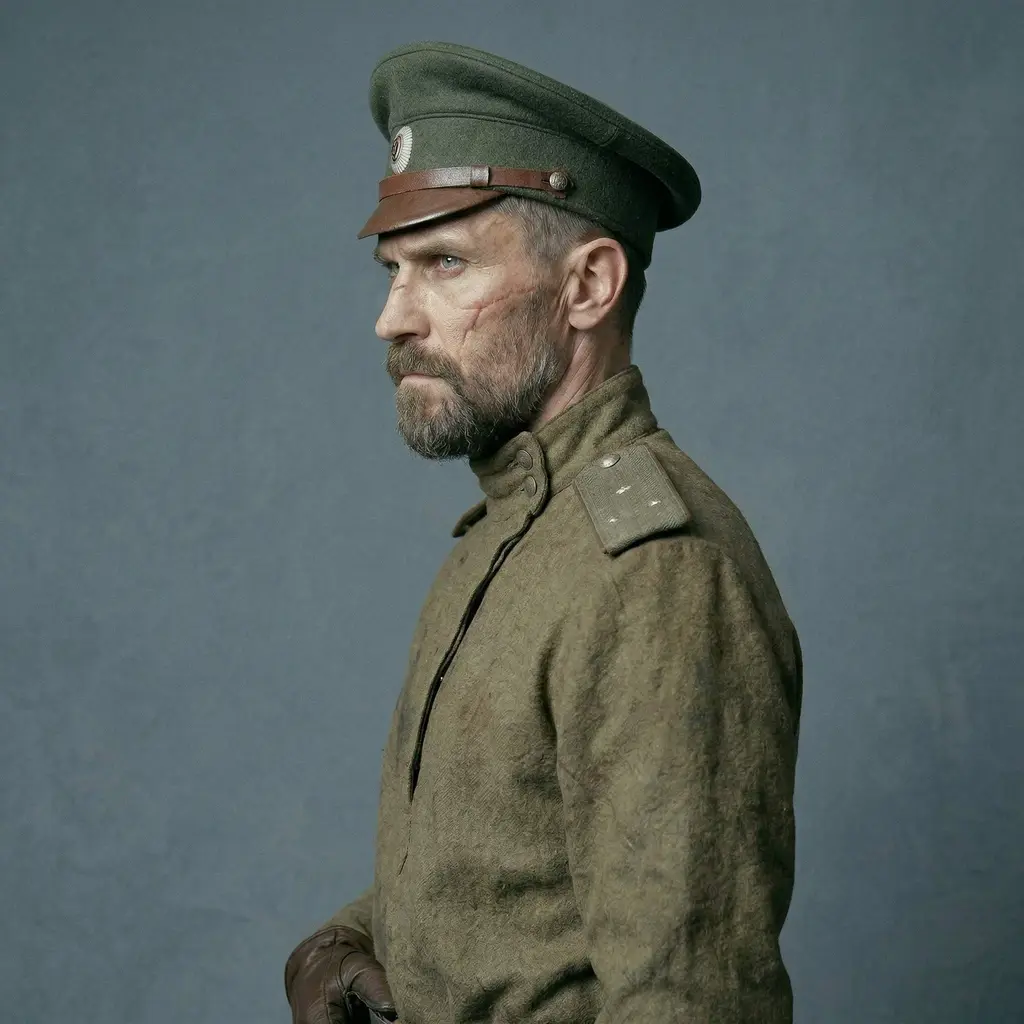
BARON ROMAN VON UNGERN-STERNBERG

(40s–50s, European)

A charismatic and terrifying warlord driven by mysticism and destiny. He believes himself chosen to restore a lost order and operates beyond conventional morality. Both visionary and destroyer, he commands loyalty through fear and myth.

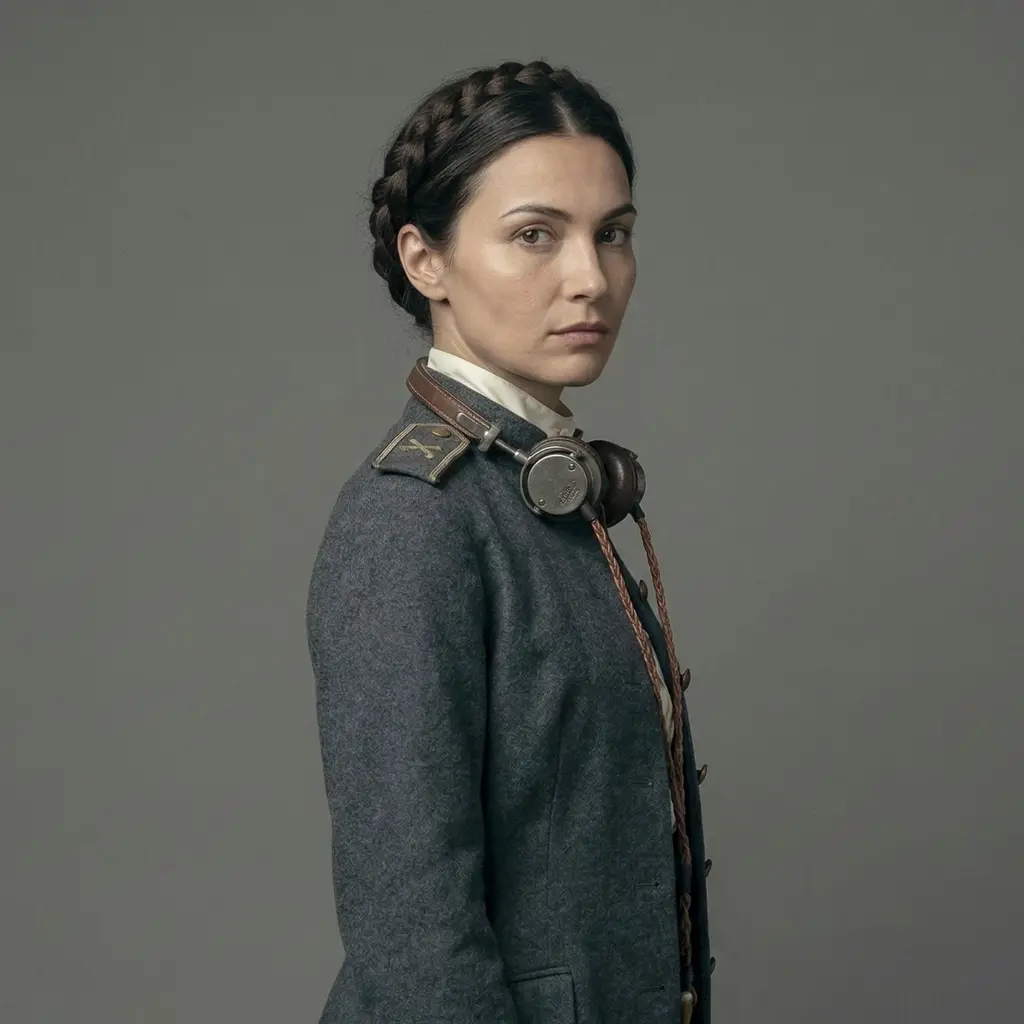
NADIA ABELEV

(20s–30s, Russian)

A telegraph operator with a sharp mind and guarded emotional core. Having lost her family to revolution, she survives by staying controlled and observant. Her connection with Crawford brings a fragile humanity into a brutal world.

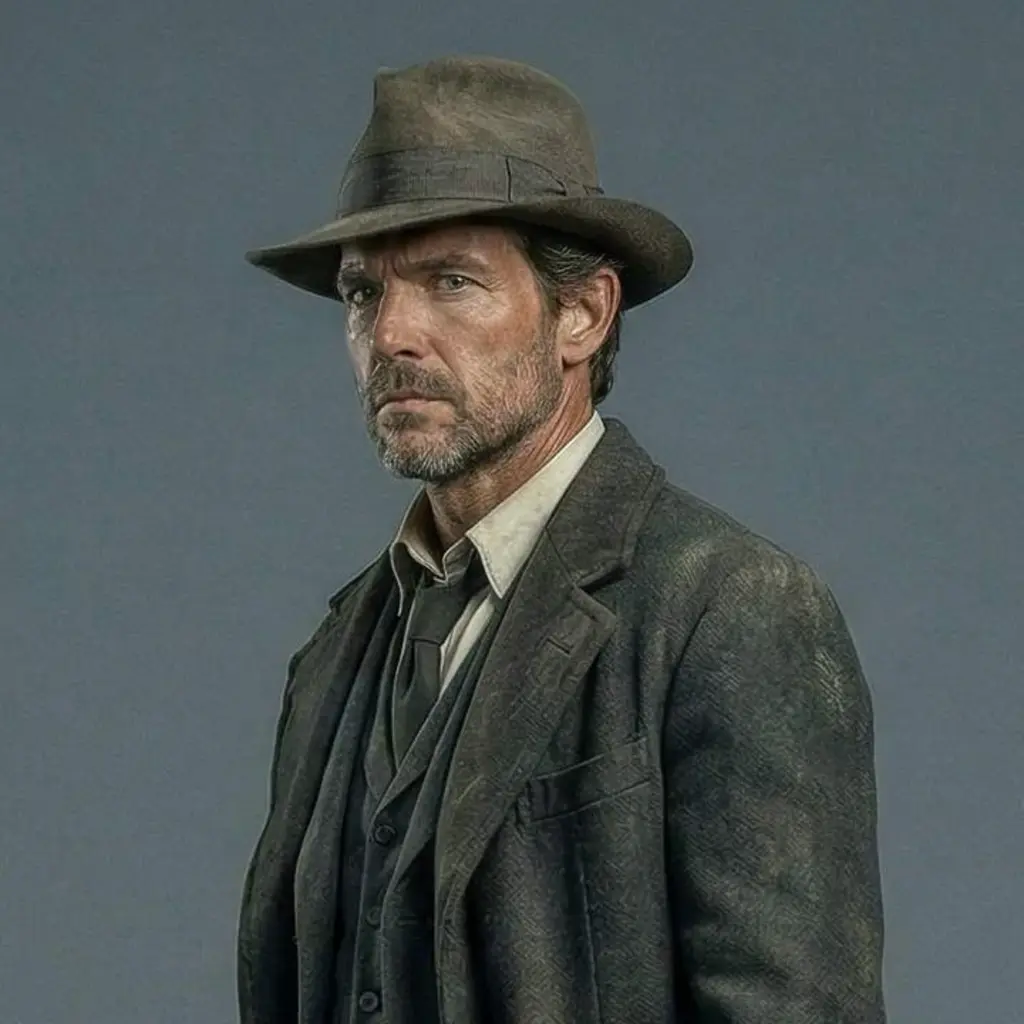
FRED THORP

(40s–50s, British/American)

A trader operating in the gray zones of war and commerce. Charming and pragmatic, he navigates shifting alliances with ease. His loyalty lies with opportunity, not ideology.

SEPAILOFF

(40s, Russian)

Ungern’s brutal and efficient lieutenant. A man shaped by war, he enforces discipline through fear and violence. Loyal to Ungern but driven by survival instincts.

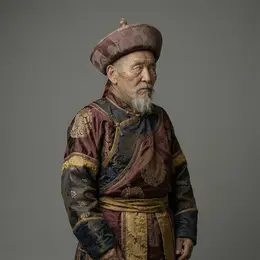
THE BOGD KHAN

(60s–70s, Mongolian)

The spiritual and symbolic ruler of Mongolia. Blind but perceptive, he embodies continuity, faith, and legitimacy. His presence anchors the conflict in something older than politics.

ADMIRAL THOMPSON

(50s–60s, American)

A traditional military leader, cautious and grounded in hierarchy. He is skeptical of unconventional missions and wary of entanglement in foreign conflicts. Represents institutional restraint.

TOM McBRIDE

(50s, American)

A seasoned intelligence operative who understands global power dynamics. Pragmatic and controlled, he represents America’s quiet influence abroad. He sends Crawford into the field, knowing the risks but valuing information above all.

REZUKHIN

(30s–40s, Russian)

A disciplined officer within Ungern’s forces. Less chaotic than Sepailoff, he represents the structured military side of the Baron’s command. A professional soldier in an unprofessional war.

NICOLAI

(30s–40s, Russian)

An intelligence-minded officer, observant and calculating. He monitors communication and loyalty within the ranks. Suspicious by nature, he represents internal control and surveillance.

SUKHBAATAR

(20s–30s, Mongolian)

A revolutionary leader aligned with Bolshevik forces. Young, determined, and ideological, he represents the future—organized, modern, and uncompromising.

GENERAL LI

(40s–50s, Chinese)

Commander of the Chinese occupying forces in Urga. Strategic and disciplined, he believes in restoring order through control. A pragmatic military mind facing an unpredictable enemy.

BABUSHKA

(60s–70s, Mongolian/Russian)

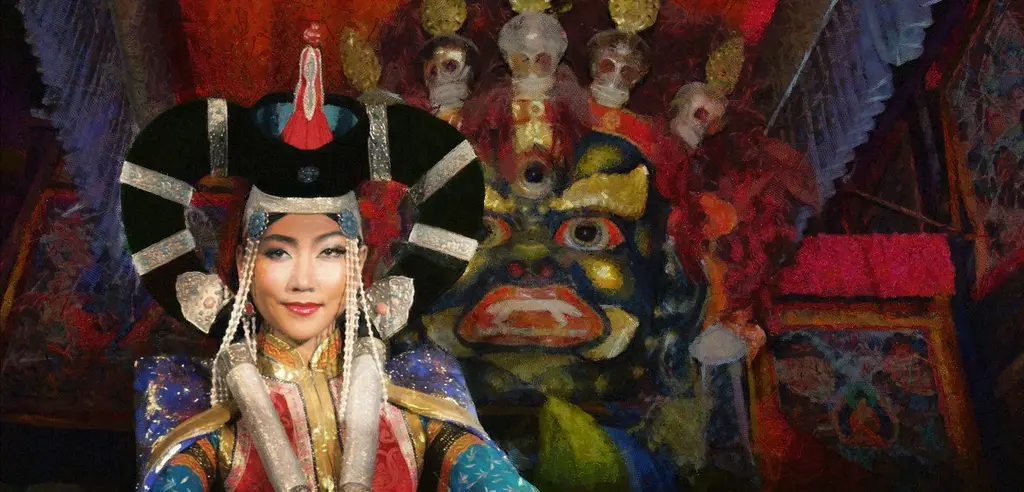
A shamanic figure tied to Ungern’s belief system. She operates in the space between myth and reality, reinforcing the spiritual dimension of the story.

HOBBSON

(40s–50s, British)

A seasoned non-commissioned officer with dry wit and practical instincts. Provides grounded perspective and subtle humor in an otherwise tense environment.

CHIEF ABBOT / DA LAM

(40s–60s, Mongolian)

Spiritual leaders within the Mongolian religious hierarchy. They navigate the intersection of faith and politics, understanding the risks of aligning with power.

Partnership Opportunities

We are currently seeking partners for:

Co-production

Financing

Distribution / platform collaboration